 English
 Français
Fabric Duct Benefits for Indoor Agriculture: Airflow, VPD & Crop Yield | Prihoda
Fabric Duct for Indoor Agriculture: Engineered Air Distribution for Higher Yields and Healthier Crops
Modern indoor agriculture, whether it’s cannabis cultivation, strawberry production, leafy greens, or high-density vertical farming, depends on precise environmental control. Temperature, humidity, airflow velocity, and CO₂ distribution directly influence plant growth rates, nutrient uptake, disease susceptibility, and ultimately yield. However, in many controlled-environment agriculture (CEA) facilities, maintaining environmental consistency remains one of the most persistent and costly challenges.
Fabric duct air-distribution systems—also called textile ducts or fabric air dispersion systems—provide an effective way to ensure consistent, uniform airflow in complex grow environments. Unlike metal ducts or fan systems, fabric ducts are designed to deliver controlled airflow, remove boundary layers around leaves, and eliminate microclimates that can hinder plant growth.


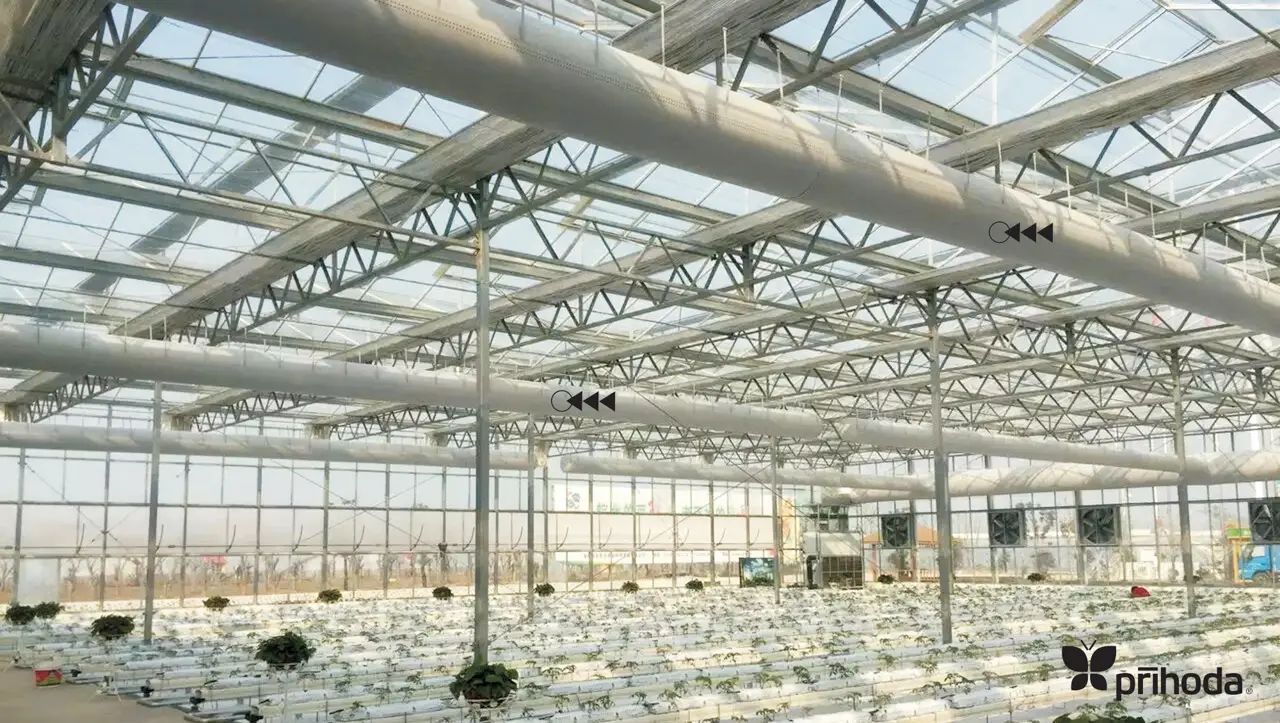
Custom Fabric Solutions for Agriculture Use

Engineering Airflow Uniformity Across the Grow Canopy
Indoor agricultural environments like greenhouses, vertical farming, rack growing, and room-in-room setups often experience uneven airflow when relying solely on traditional duct systems or oscillating fans. This can lead to the rapid formation of hot, humid zones, reducing consistency in growth and increasing the risk of disease.
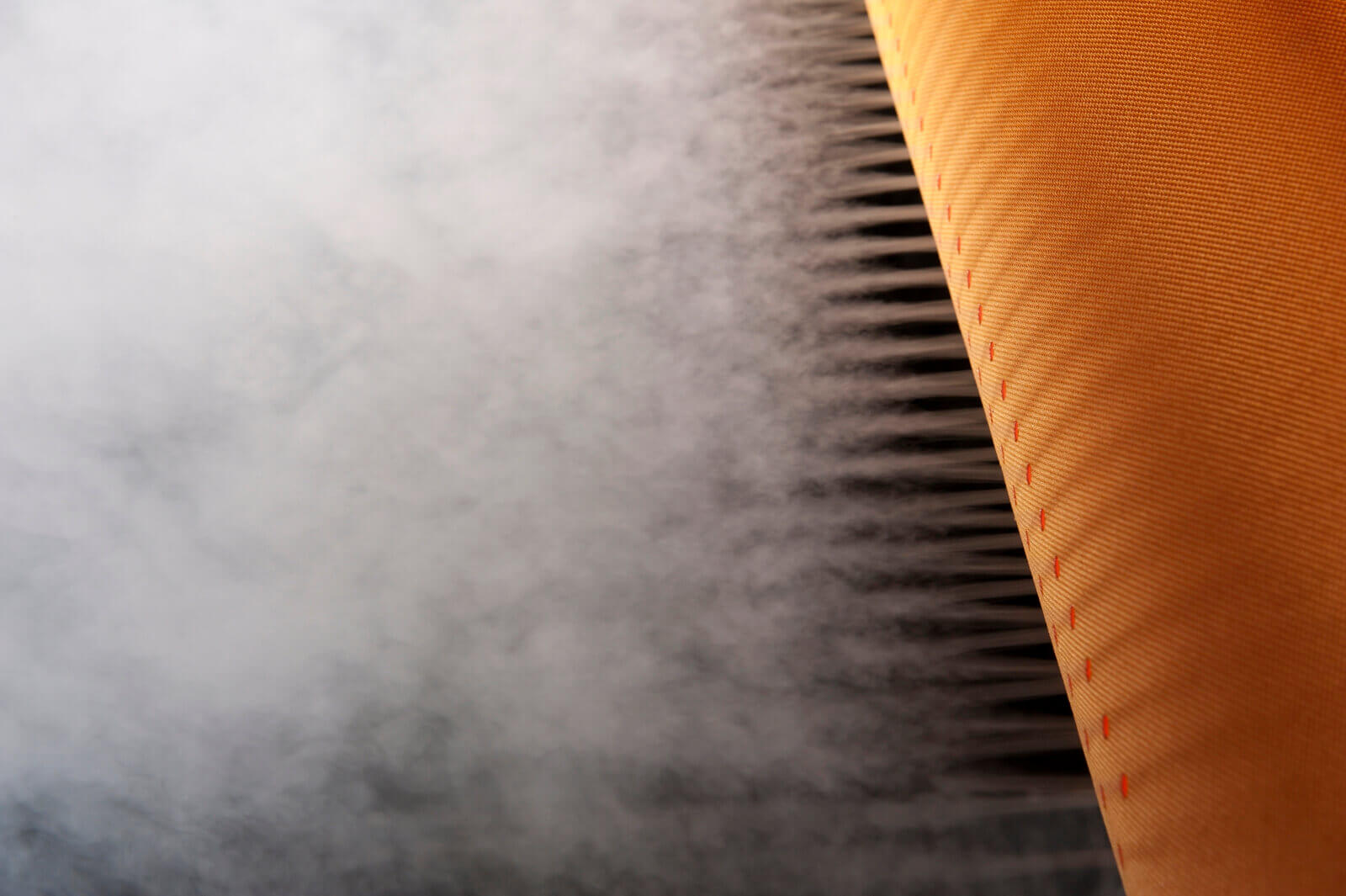
Fabric duct addresses these challenges with engineered discharge patterns. These are made with precision-cut perforations or nozzles that distribute air evenly along the entire length of the duct. This provides uniform, low-velocity discharge that covers each canopy layer with steady airflow. Air-throw models, guided by algorithmic calculations, help with the informed placement of outlets, preventing dead zones that conventional ductwork cannot reach.
These benefits help create stable conditions at every level, leading to more predictable crop cycles and a more uniform harvest, making the whole process smoother and more reliable. Factors influencing discharge type and pattern include the crops being cultivated, the room type, the cultivation method, and the experience levels of both the grower and the designer.

Enhanced Transpiration and Vapor Pressure Deficit (VPD) Control
Plant performance is strongly linked to transpiration, which governs nutrient movement, photosynthetic activity, and biomass accumulation. However, transpiration requires a stable vapor pressure deficit (VPD) and adequate leaf-surface air movement.
Fabric ducts enhance transpiration efficiency by providing consistent air velocities that keep leaf boundary layers thin, support stable leaf temperatures through uniform convective cooling, and prevent localized pockets of high humidity that can cause stomatal closure.
For sensitive crops like cannabis, strawberries, and leafy greens, this enhanced transpiration control directly boosts photosynthetic efficiency and promotes higher-quality growth.
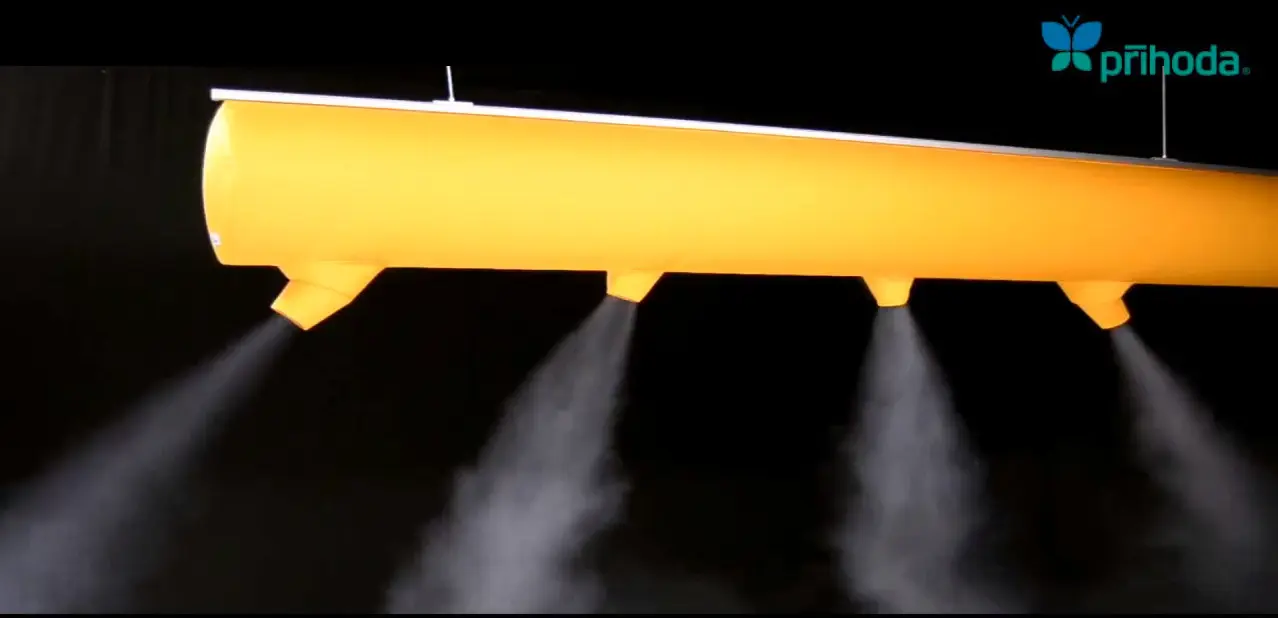
Micro-Climate Elimination for Higher Yield and Crop Quality
Even minor deviations in temperature or humidity between canopy zones can lead to uneven growth rates, increased risk of mildew and mold, reduced cannabinoid or terpene consistency in cannabis, and lower pack-out quality and marketable yield.
Fabric duct minimizes micro-climates by fully diffusing airflow along the entire supply run. Vertical and horizontal mixing reduce stratification and create stable conditions, even in high-density rack systems. By reducing room-to-room variability, fabric duct systems support more consistent, high-quality crops and lower operational risks.

Precision Cooling and Load Distribution for Indoor Agriculture HVAC
Indoor agriculture involves highly dynamic sensible and latent loads. Lighting intensity, plant density, irrigation cycles, and dehumidification all influence cooling demand throughout the day.
Fabric duct improves HVAC performance by ensuring even distribution of conditioned air, preventing hot spots beneath lighting arrays, efficiently delivering cooling across large floor areas and multi-tier racks, and enhancing dehumidification by reducing localized humidity spikes.
This ensures that HVAC equipment operates at its intended efficiency and that environmental controls function accurately during high-load periods, such as late flowering in cannabis or peak transpiration periods in fruiting crops.
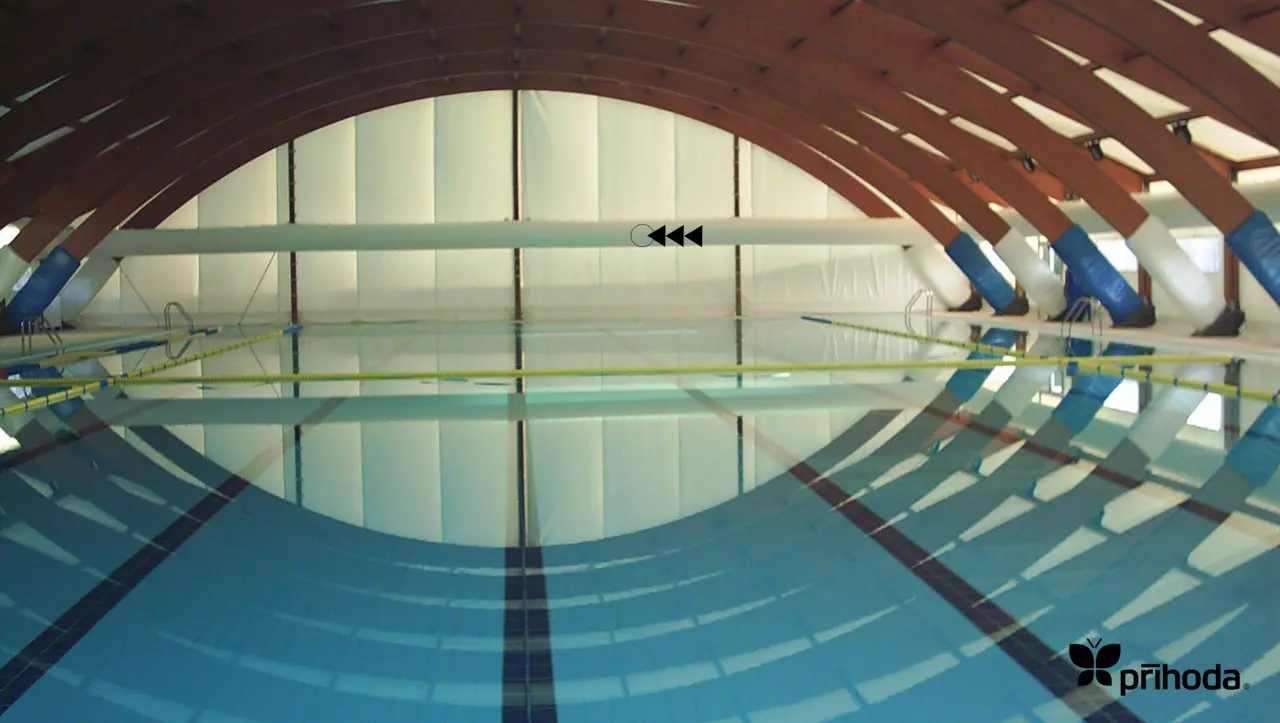
Cleaner, Safer, and More Hygienic Operations in Indoor Grow Facilities
Biosecurity is a top priority for indoor growers. Traditional metal ducting is difficult to clean and can collect debris that harbors mold spores or pathogens.
Fabric duct is engineered for agricultural hygiene, with washable, antimicrobial materials and rapid removal and cleaning in mind. Their smooth, flexible surfaces prevent dust accumulation. Also, since air distribution is more controlled, this reduces turbulent zones where spores can accumulate.
Above all else, the fabric duct’s cleanability is especially valuable for facilities with frequent crop cycles or strict Good Manufacturing Practices (GMP) requirements.
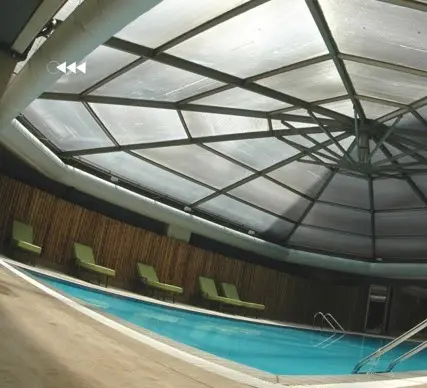
Flexible Integration with Modern CEA Facility Design
Indoor agriculture facilities are diverse — greenhouses, indoor retrofits, warehouse conversions, and insulated room-in-room modules — each requiring custom climate solutions.
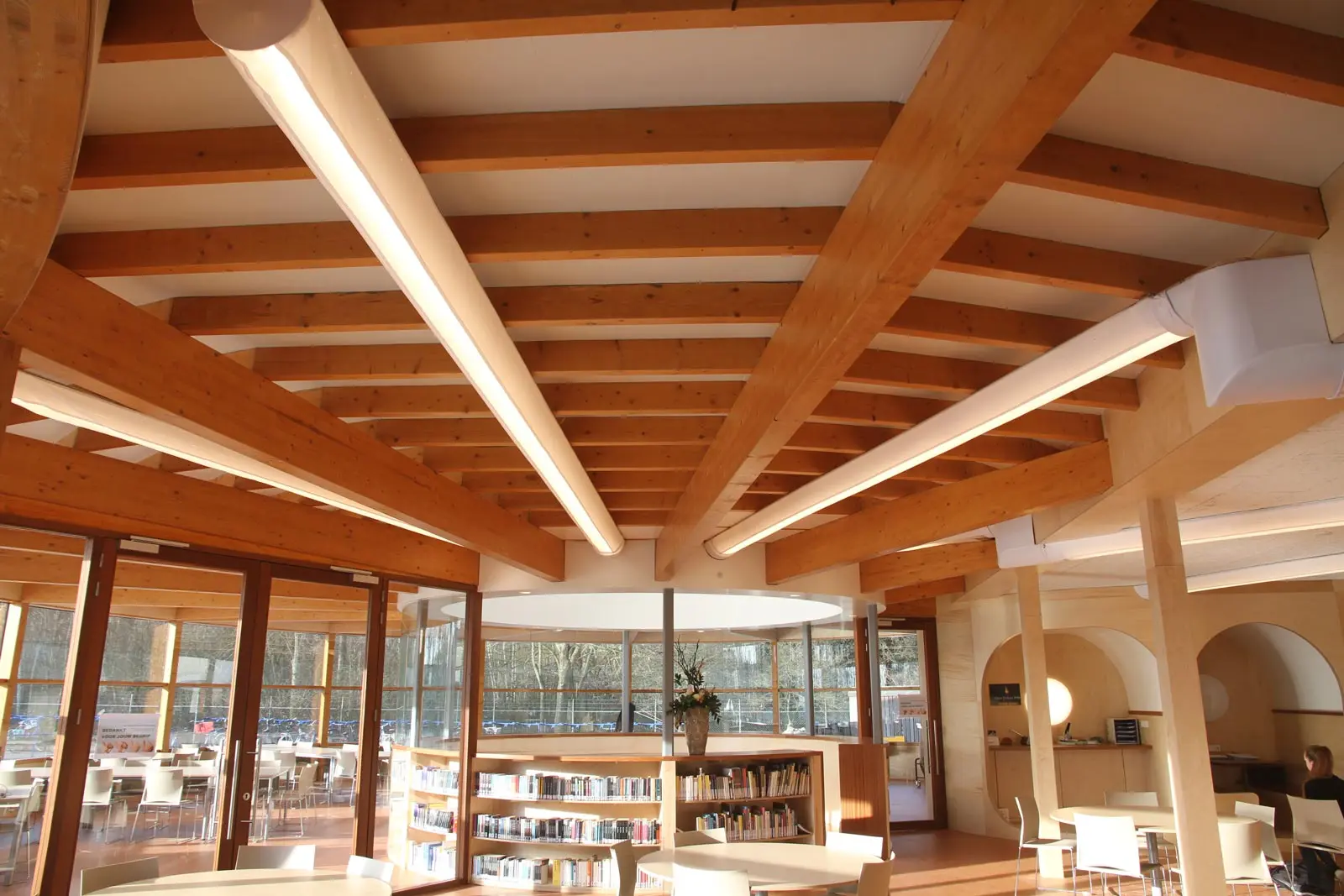
Fabric duct offers unmatched integration versatility with lightweight material, allowing installation in areas where metal duct is impractical. Custom shapes, colors, lengths, and discharge patterns match unique facility layouts and are easily configured for vertical farms, multi-tier racks, and narrow aisles.
Another concern addressed is the cost and labor of installation. Fabric duct reduces the workforce required for installation due to its lightweight construction. The simple installation reduces construction time and mechanical complexity. This flexibility supports rapid facility expansion or layout modification as production needs evolve.
Improved Energy Efficiency and Lower Operating Costs
More uniform airflow helps reduce temperature stratification and localized humidity accumulation, allowing environmental control systems to maintain target conditions more efficiently.
Growers benefit from reduced fan horsepower requirements, lower HVAC cycling frequency, and fewer supplemental circulation fans, creating more stable conditions that reduce crop loss and operational waste. Fabric duct not only improves crop results but also lowers the total cost of ownership.
Precise computational analysis allows us to design a system perfectly matched to your growing operation’s environment.
Application-Specific Benefits of Fabric Duct Systems in Indoor Agriculture
While the core advantages of engineered air distribution remain consistent across all controlled-environment agriculture applications, the specific operational benefits vary depending on the cultivation method and facility design. Fabric duct systems can be customized to address the unique airflow, temperature, humidity, and climate-control challenges associated with each growing environment.
Cannabis Cultivation Facilities
Cannabis cultivation places exceptional demands on environmental control due to the crop’s sensitivity to temperature, humidity, and VPD, particularly during flowering stages. Dense canopies and high transpiration rates can rapidly create stagnant air and localized humidity, leading to mold, mildew, and inconsistent flower development.
Fabric duct systems provide uniform airflow throughout the canopy, helping maintain stable VPD and promoting efficient transpiration. By reducing humidity pockets and improving convective cooling, fabric ducts support consistent cannabinoid and terpene development while minimizing disease pressure. During late flowering, when dehumidification demands are highest, evenly distributed conditioned air helps maintain optimal environmental conditions and improve overall crop quality and yield consistency.
Greenhouse Facilities
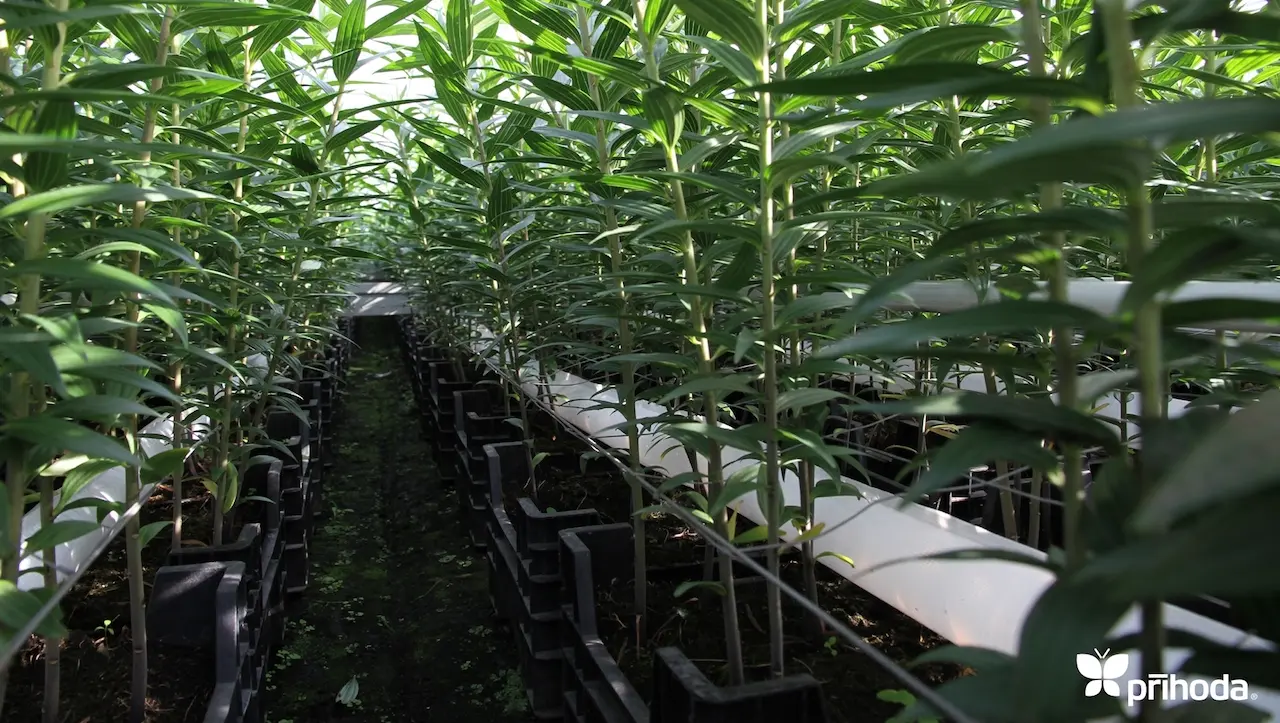
Greenhouses face unique environmental challenges due to solar heat gain, seasonal weather fluctuations, and large open growing spaces. Temperature stratification and uneven airflow can develop throughout the structure, leading to variations in crop performance and increasing the risk of disease.
Fabric duct systems improve environmental uniformity by distributing conditioned air evenly across the greenhouse. Enhanced air mixing reduces temperature differentials, improves humidity control, and supports more consistent CO₂ distribution throughout the crop canopy. The result is improved crop uniformity, reduced risks of condensation-related diseases, and more efficient operation of supplemental heating and cooling systems.

Room-in-Room Growing Facilities
Room-in-room cultivation environments rely entirely on mechanical systems to maintain climate conditions. Because these spaces are highly isolated, any deficiencies in air distribution can quickly lead to temperature and humidity fluctuations that negatively affect crop performance.
Fabric duct systems provide predictable, consistent airflow patterns throughout the growing space, eliminating dead zones that are commonly created by walls, equipment, and dense plant canopies. Uniform environmental conditions improve crop consistency while supporting effective dehumidification and HVAC performance. Additionally, the washable, removable nature of fabric duct systems supports sanitation protocols and GMP requirements commonly associated with commercial cultivation facilities.

Vertical Farming Operations
Vertical farms maximize production by utilizing multiple growing levels within a compact footprint. However, maintaining consistent environmental conditions across stacked growing tiers presents significant airflow challenges. Upper levels often experience different temperature and humidity conditions than lower levels, leading to variability in crop performance.
Fabric duct systems can be engineered to deliver uniform airflow to every growing tier, ensuring that temperature, humidity, and CO₂ levels remain consistent throughout the vertical structure. By eliminating stratification and reducing environmental variability between levels, growers can achieve more uniform growth rates, predictable harvest schedules, and improved overall production efficiency.
Container Growing Facilities
Container-based growing environments are highly dependent on effective environmental control, as temperature, humidity, and airflow can change rapidly within compact cultivation spaces. Limited space and high plant density often create localized hot spots and areas of elevated humidity that challenge conventional air distribution methods.
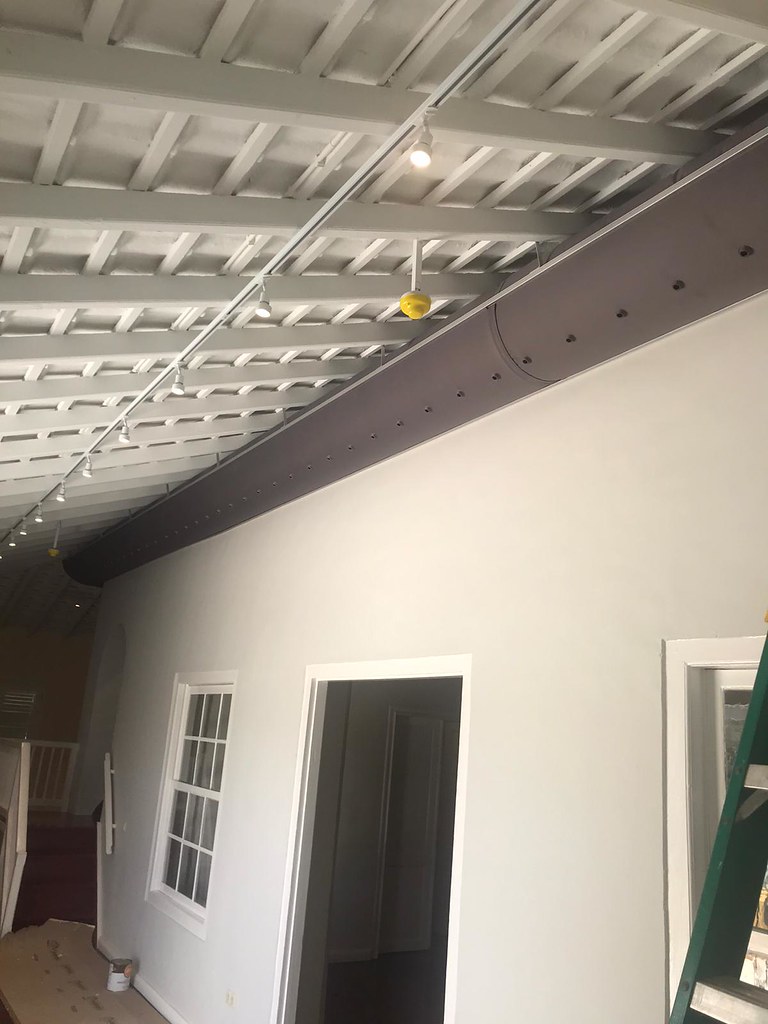
Fabric duct systems are particularly well-suited for container applications because they can be customized to fit narrow aisles and confined growing spaces. Uniform airflow distribution helps eliminate stagnant zones, improve cooling effectiveness, and maintain consistent environmental conditions throughout the container. These benefits support healthier crops, improved disease prevention, and more efficient HVAC operation in space-constrained environments.

Rack-Based Growing Systems
Multi-tier rack systems create dense plant populations that can restrict airflow and promote the development of microclimates between growing levels. Traditional air-distribution methods often struggle to deliver conditioned air evenly throughout these complex structures.
Fabric duct systems address these challenges by delivering controlled airflow directly into areas that are typically difficult to reach. Consistent leaf-surface air movement promotes transpiration, reduces humidity accumulation, and minimizes the risk of mold and mildew development. The result is more uniform crop development across all rack levels, improved environmental stability, and greater overall production consistency.

Operational Impact Across All Growing Environments
Although each cultivation method presents unique challenges, the benefits of engineered fabric air distribution remain consistent. By improving airflow uniformity, stabilizing VPD, reducing microclimates, enhancing HVAC efficiency, and supporting sanitation objectives, fabric duct systems help growers achieve greater crop consistency, higher yields, improved product quality, and lower operating costs across a wide range of indoor agriculture applications.
Professionals We Serve

Facility Designers
Prihoda brings the expertise for your air distribution systems. Fabric ducting improves airflow and indoor air quality. Prihoda’s modular design makes creating a custom-engineered system easy for nearly any space. Prihoda offers the expertise and support needed to make your next project a success.

Architects and Owners
Prihoda is committed to being a trusted partner at every stage of the design process. Prohoda can provide custom colors, images, and patterns for your unique building needs. Our products can either blend in or stand out for your specific overall desire.

Contractors and Facility Maintenance
Prihoda’s technical expertise shines through from our easy-to-install ducting to our competitively priced products, Prohoda will be with you at every stage, from initial planning to design and installation. Discover how impactful working with Prihoda’s flexible and affordable air ducting systems can be.
Why Fabric Duct Systems Are Essential for Indoor Agriculture
Using fabric ducts is a high-impact climate strategy for modern growers. In controlled-environment agriculture, airflow is as essential as lighting and nutrition. When engineered properly, airflow enhances transpiration, stabilizes VPD, eliminates micro-climates, and boosts crop uniformity—directly impacting yield, quality, and profitability.
Prihoda fabric duct systems offer a scientifically engineered solution that aligns airflow physics with plants’ biological needs. By ensuring uniform climate conditions across all canopy layers, fabric duct becomes a critical tool for growers and facility owners looking to maximize performance in cannabis, strawberries, leafy greens, and other high-value crops grown in indoor agriculture, vertical farming, greenhouse, and rack-based environments.

Frequently Asked Questions: Fabric Duct Systems for Indoor Agriculture
How does fabric ducting apply to indoor agriculture?
Fabric ducting can help control the environment within an indoor agriculture setup. It’s responsible for distributing conditioned air evenly throughout the indoor farming facility, maintaining the temperature and humidity levels required for optimal plant growth.
What are the benefits of fabric ducting?
Fabric ducting systems provide superior air dispersion, are lightweight, and have a less invasive installation process compared to traditional metal ductwork. They can be custom designed for the specific requirements of a space, and they provide uniform air distribution.
How does fabric ducting contribute to the overall yield of the indoor farm?
By providing consistent and efficient air distribution, fabric ducting helps to maintain the optimal environment for plant growth. This ensures that plants grow healthier and faster, which can ultimately increase the overall yield of the indoor farm.
Is fabric ducting difficult to maintain?
Fabric ducting is generally low maintenance. It’s typically designed to be machine washable, making it easy to keep clean. However, specific maintenance practices may vary based on the exact type and manufacturer of the fabric duct.
Can the fabric ducting systems be customized for specific indoor agricultural needs?
Yes, fabric ducting systems can often be tailored to meet the specific needs of a given space. This can include factors like size, shape, air dispersion needs, and more.
Is fabric ducting a sustainable option?
Fabric ducting is often made from recyclable materials, and its energy efficiency can contribute to a lower carbon footprint. However, the exact sustainability will depend on the specific manufacturing and use practices.
Why is VPD control important in indoor agriculture, and how does fabric duct help?
Vapor pressure deficit (VPD) is the difference between the moisture currently in the air and the maximum it can hold at a given temperature. It directly governs plant transpiration—the mechanism by which water and nutrients move from roots to leaves. Too high a VPD causes stomata to close, halting photosynthesis. Too low a VPD encourages fungal disease. Fabric duct maintains the consistent air velocity and temperature uniformity needed to keep VPD in the optimal range across the entire grow canopy, not just near the supply outlet
What is the difference between fabric duct and metal duct in a grow room?
Metal ductwork with registers creates drafts, hot spots, and air stratification rather than uniform distribution. In high-humidity grow environments, galvanized metal ducts also risk condensation and zinc leaching into growing media—plants absorb the zinc, and cannabis facilities face heavy metal compliance testing where contaminated crops must be destroyed. Fabric duct eliminates condensation through permeable construction, carries no corrosion or contamination risk, and is fully removable for washing—a hygiene standard metal duct cannot match.
Can fabric duct handle the humidity levels in a cannabis flowering room?
Yes. Cannabis flowering rooms require relative humidity between 40–50% while plants transpire heavily. Prihoda’s permeable fabric materials are rated for sustained high-humidity environments and will not sweat, rust, corrode, or support biological growth. Additional antimicrobial treatment can be embedded in the fabric for facilities with the strictest biosecurity requirements.
How does fabric duct support airflow across multiple tiers in a vertical farm?
Conventional overhead supply systems deliver most air to the top tier, leaving lower levels undersupplied. Fabric duct systems are engineered with discharge patterns—combinations of nozzles, orifices, and permeable sections—that direct controlled airflow to every tier simultaneously. Prihoda’s AirTailor® design software models air-throw patterns in three dimensions before installation, ensuring every growing level receives the correct velocity and volume.
Is fabric duct suitable for grow room retrofits, or only new construction?
Fabric duct is particularly well-suited for retrofits. Existing building roof structures are often not engineered to support the weight of new metal duct installations. Fabric duct’s lightweight construction significantly reduces structural load, makes retrofits feasible without costly upgrades, and installs faster with fewer workers—reducing facility downtime during conversion.
Is fabric duct compliant with Good Manufacturing Practices (GMP) for cannabis and food-grade grow operations?
Fabric duct aligns well with GMP requirements for air distribution systems, which specify that ductwork should be cleanable, non-corrosive, and should not harbor pathogens. Prihoda fabric ducts are fully removable and machine washable, addressing the in-place cleaning challenge that makes metal duct problematic in GMP audits. Antimicrobial material options provide additional compliance support for facilities with the most stringent hygiene standards.